Hello everyone. It's been a while, Dr. Zhu from Seanfamilyclinic (a TCM practice), have finally returned. It's been exactly six months since I last chatted or interacted with you all. The reason for this long hiatus aside from being incredibly busy with work is largely due to some minor health concerns I've been experiencing myself. Today, I'd like to share my entire medical journey with you all, hoping this will serve as a reminder to all of you to pay more attention to your own health.
Starting in November 2025, I experienced lower back soreness and a sensation of heaviness, with these symptoms worsening after prolonged sitting or physical exertion. Initially, I mistakenly attributed these symptoms to lumbar muscle strain caused by sitting for extended periods. Subsequently, the lower back soreness evolved into paroxysmal dull pain or a sensation of heaviness and pressure, accompanied by a feeling of distension in the lower abdomen; the pain intensified after prolonged standing or walking. Still believing that this was merely a consequence of aging, I chose to endure the discomfort. During that period, I was utterly exhausted, suffered from poor sleep quality—finding it difficult to sleep through the night and lost 5 kg in weight. What ultimately overwhelmed me was an unexpected acute episode: while sitting, I suddenly experienced a sharp, tearing, squeezing pain in my left lower back; this pain peaked within seconds and radiated from my lower back to my abdomen, groin, and thigh. I was unable to stand or lie down; instead, I curled up on the floor, trembling and drenched in cold sweat. The persistent colicky pain did not subside for a single moment; it was accompanied by nausea and the urge to vomit, though I was unable to vomit; my clothes were soaked with cold sweat, my face was pale, and my hands and feet were numb—my condition was nearly one of collapse. At the same time, I experienced symptoms such as frequent and urgent urination, reduced urine output, and a burning sensation during urination; this pain was no less intense than that experienced during childbirth.Subsequently, I promptly rushed to the hospital for emergency care; upon undergoing a CT scan, it was discovered that I had a stone in my left ureter measuring approximately 9 mm which exceeded the 6-mm threshold for spontaneous passage. As a result, minimally invasive surgical intervention was ultimately recommended (Figures 1 and 2). I would like to extend my sincere gratitude to the surgeons who performed the procedure for me.
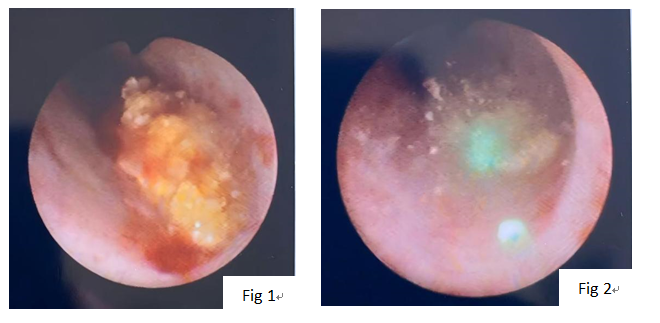
( Some pictures are from the Internet. lf there is any infringement, please contact us to delete . Thank you)
After successfully completing the surgery, I entered a prolonged recovery period. The previous pain had caused me poor sleep quality for half a year; as a result, I developed symptoms of neurasthenia. The typical manifestations include:
①Difficulty falling asleep: When lying in bed, the brain fails to "turn off"; instead, one is constantly plagued by random thoughts or dwelling on trivial matters. Even when the body is utterly exhausted, mental activity persists, and it often takes more than 30 minutes to fall asleep.
②Difficulty maintaining sleep: light sleep, frequent dreaming, and easy awakening – one may wake up at the slightest noise, remain in a state of light sleep throughout the night, and feel as though they haven't slept at all.
③Early awakening: waking up 1–2 hours or even longer than scheduled; finding it difficult to fall back asleep after waking up, accompanied by feelings of anxiety, restlessness, or low mood.
④Lack of recovery after sleep: Even after sleeping for an adequate amount of time, one still wakes up feeling exhausted and without any sense of recovery; during the day, this may be accompanied by drowsiness, difficulty concentrating, or impaired memory.
⑤Pharyngeal foreign body sensation: The sensation of a foreign object in the throat varies in intensity—becoming more pronounced during periods of stress and lessening when relaxed; however, no abnormalities are detected on examination. This sensation becomes more prominent when lying down, often leading to difficulty falling or staying asleep; a sudden dry cough can interrupt sleep and cause frequent awakening; the discomfort, pain, or hoarseness in the throat also prevents one from relaxing, and the more one lies down, the more irritable one feels.
I knew that if no action was taken, I might experience feelings of anxiety or depression, so I immediately took the following steps.
20 Minute Rule: If you still haven't fallen asleep after lying down for 20 minutes, get up promptly. Leave the bedroom and engage in a gentle, non-stimulating activity (such as reading a printed book or listening to light music) until you feel drowsy, then return to bed.
Set a fixed wake-up time: Regardless of when you went to bed last night, get out of bed at the same time every morning – no lingering in bed or sleeping in. This helps your body re-establish a stable circadian rhythm.
Relaxation training: Try the 4-7-8 breathing technique (inhale for 4 seconds, hold your breath for 7 seconds, exhale for 8 seconds) or abdominal breathing to activate the parasympathetic nervous system and send the body the signal that "the danger is over."
Optimize your sleep environment: Keep your bedroom cool, dark, and quiet. Avoid exposure to blue light from electronic devices (such as smartphones) 90 minutes before bedtime; also avoid drinking coffee or strong tea.
Traditional Chinese medicine and acupuncture: Dr. Zhu underwent acupuncture treatment and also took traditional Chinese medicine regularly.
Here is a brief introduction to my approach and experience in treating insomnia: According to Traditional Chinese Medicine (TCM) theory, the core pathogenesis of "Bu Mei" (i.e., insomnia) lies in the failure of Yang energy to enter the Yin realm, leading to mental restlessness. The primary site of the disorder is the heart, but it is closely related to dysfunctional functioning of other visceral organs, including the liver, spleen, kidneys, gallbladder, and stomach. TCM treatment of insomnia emphasizes "syndrome differentiation and treatment" —that is, tailoring treatment strategies based on each patient's specific symptoms, tongue diagnosis, and pulse diagnosis.
01 Typical manifestations of the "Liver Heat Disturbing the Heart" syndrome include difficulty falling asleep or even complete sleeplessness throughout the night along with irritability and anger, accompanied by dizziness and head fullness, red eyes and tinnitus, dry mouth with a bitter taste, dry stools, and yellow urine. This syndrome is commonly seen in individuals who experience high levels of stress, emotional suppression or irritability, or those with high-pressure, anxious lifestyles.
02 Typical manifestations of the "phlegm-heat disturbing the heart" syndrome: irritability and insomnia, chest tightness and epigastric fullness, nausea and belching, heavy head and dizziness, bitter taste in the mouth with excessive phlegm, and restless sleep. Typical affected populations: individuals with a dietary preference for heavily greasy or sweet foods, those who engage in binge eating, individuals with obesity and a phlegm-dampness constitution, or those experiencing food stagnation.
03 Typical manifestations of the Heart-Spleen Deficiency pattern: difficulty falling asleep, frequent dreaming and easy awakening, palpitations and memory impairment, dizziness and visual blurriness, mental fatigue and poor appetite, abdominal distension and loose stools, pale complexion, and fatigue in the extremities. Typical affected populations: individuals experiencing excessive mental overthinking, chronic fatigue or staying up late, constitutional weakness, or those whose qi and blood have been depleted due to prolonged illness.
04 Typical manifestations of the Heart-Kidney Imbalance syndrome include: restlessness and insomnia, palpitations and frequent dreaming, accompanied by dizziness and tinnitus, soreness and weakness in the lower back and knees, tidal fever and night sweats, "five-center heat sensation" (feeling of heat in the palms and soles), and frequent nighttime awakenings. Typical affected populations: elderly individuals or those with chronic illnesses characterized by yin deficiency who have experienced sleep deprivation leading to kidney essence depletion.
05 Typical manifestations of the Heart–Liver Qi Deficiency pattern: restlessness and insomnia, timidity and palpitations, being easily startled by any event, constant anxiety (feeling constantly on edge throughout the day), shortness of breath and spontaneous sweating, as well as fatigue and lack of energy. Typical affected individuals: those with a weak constitution, who are easily frightened, are naturally timid, or have experienced significant psychological stress.
During his clinical practice, Dr. Zhu observed that many patients present with a combination of deficiency and excess patterns; in such cases, using a single prescribed formula often yields unsatisfactory outcomes. Therefore, he advises against simply "treating sleep disturbances by addressing the symptoms themselves," emphasizing instead the need for personalized treatment based on the patient's individual constitution and accompanying symptoms. Acupuncture, by stimulating specific acupoints, helps regulate qi and blood flow, unblock the meridians, and balance yin and yang, thereby assisting the body in restoring its natural sleep rhythm. In TCM acupuncture practice, the principle of "tailoring a treatment plan to each individual" is strictly observed; accordingly, I will adjust the acupoint selection and formula based on your specific accompanying symptoms. As the treatment progresses, I no longer rely solely on medication but instead gradually modify my cognitive, behavioral, and coping strategies toward anxiety. The changes I have observed are as follows:
The time it takes to fall asleep is becoming progressively shorter—gradually decreasing from one or two hours to around 10–20 minutes.
☑ Nighttime awakenings have become increasingly rare; for many days, there were zero awakenings.
☑ Early morning awakening has gradually disappeared; even when waking up occasionally, one no longer experiences anxiety as a result.
☑ Sleep efficiency has remained consistently above 90% over the long term. * Most importantly, when facing anxiety, one has learned to respond to it appropriately, and somatic symptoms—such as throat discomfort or stomach upset—have become increasingly rare.
After six months of self-care and recovery, I am now eating well, sleeping soundly, and maintaining a normal weight. Dear internet users – if you are experiencing any of the above symptoms and would like to seek Dr. Zhu's advice or assistance, please feel free to get in touch with me promptly.

www.seanfamilyclinic.com.au